
Designing game levels that are both challenging and fair is an art that demands nuanced balance, thoughtful design, and a keen understanding of player psychology. This article is all about the process of level design, drawing from case studies of well-balanced games and incorporating insights from seasoned level designers. It explores the essential principles behind creating game levels that captivate and challenge players without leading to frustration.
Fun Navigation: The Blueprint of Engagement
The key to creating an enjoyable level design lies in the idea of fun navigation. Levels should not only challenge the player but also be enjoyable to navigate. The use of visual cues plays a crucial role in guiding players through the game environment, striking a balance between providing enough information to prevent frustration and not making the experience too straightforward, thus maintaining the sense of adventure. Mirror's Edge stands out for its clear visual language that directs players while preserving the thrill of discovery.
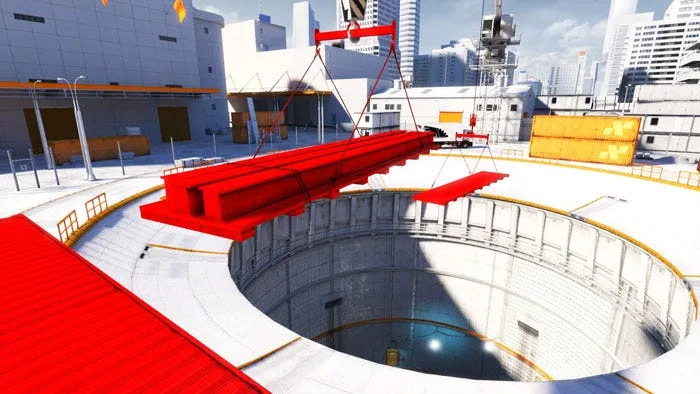
Mirror's Edge excels in level design due to its unique navigation approach. Set in a dystopian future, the game distinguishes itself through its first-person perspective and the emphasis on parkour as the primary mode of traversal. What sets it apart in the context of fun navigation is its masterful use of visual language to guide the player through its levels.
The game features "Runner Vision," a visual cue system that highlights red objects against a white cityscape. This design choice serves multiple purposes:
- Guidance. Red objects naturally draw the player's attention, subtly guiding them along the intended path without explicit instructions. Players make decisions on the fly, maintaining the game's fast pace.
- Challenge. Runner Vision suggests a path, but doesn't always denote the most efficient or safest route. Players are encouraged to explore and experiment, finding shortcuts and alternative routes that challenge their mastery of the game's mechanics.
- Aesthetic and immersion. The contrast of red against the minimalist environment is striking and reinforces the game's narrative themes of rebellion and freedom. Color becomes a narrative device.
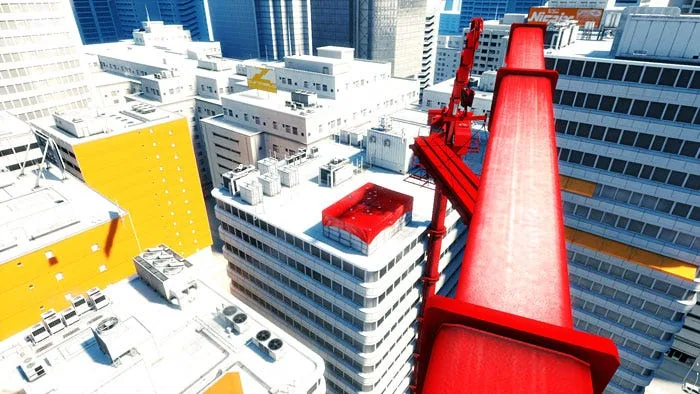
Mirror's Edge achieves a balance between challenging level design and fairness through Runner Vision. The game remains accessible to newcomers while still offering depth and challenge to experienced players. Levels are designed to match the player's improving skills, ensuring a sense of progression and achievement as they learn to navigate more efficiently.
Storytelling Without Words: Crafting Worlds With Environment
Good level design transcends mere physical obstacles or goals; it conveys stories through the environment itself. This method of storytelling without words relies on implicit and emergent narratives to engage players deeply. Bioshock is exemplary in its use of environmental storytelling, immersing players in a richly detailed world that communicates its history and conflicts without explicit narration.
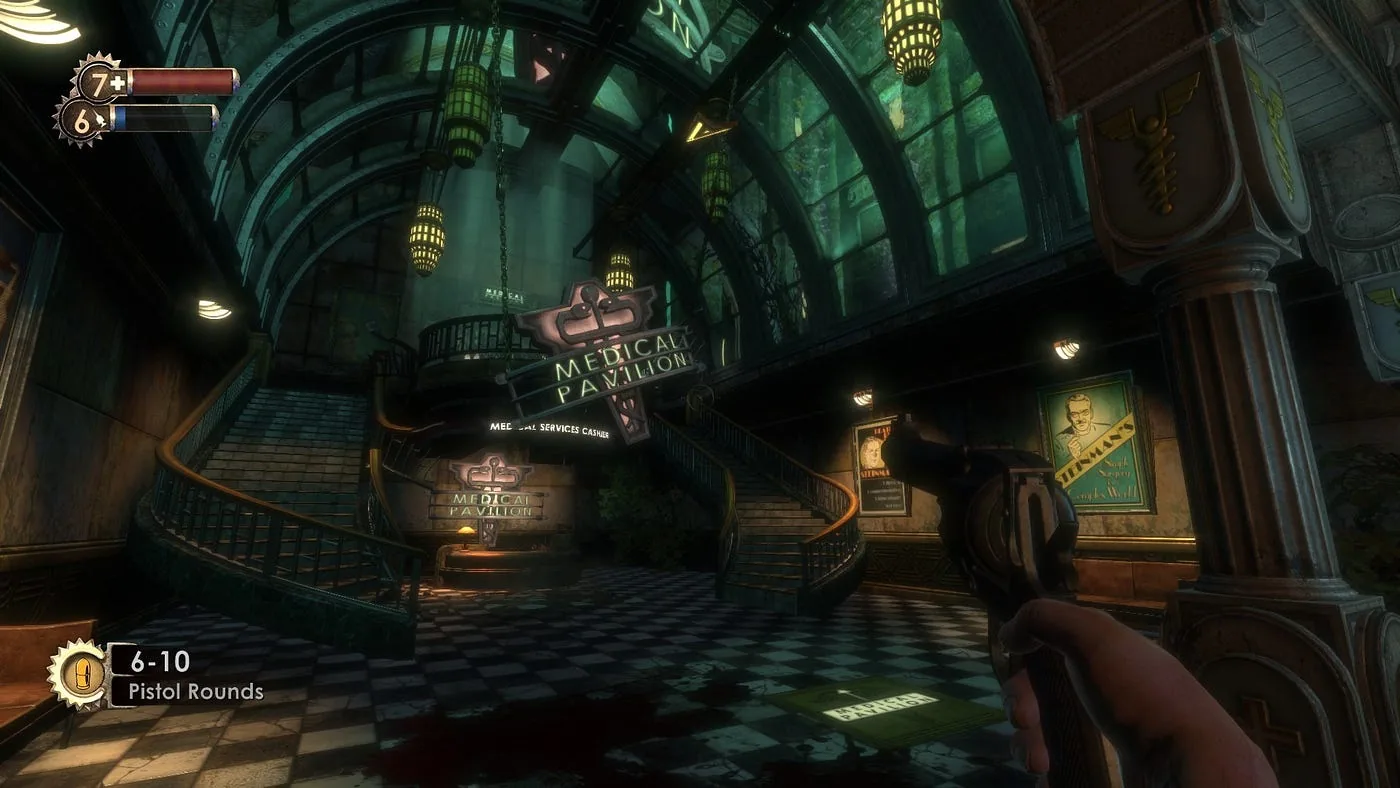
A standout example of environmental storytelling in Bioshock is the exploration of the Medical Pavilion. Upon entering, players are immediately thrust into a world that tells a chilling story of ambition, madness, and despair — all without a single line of dialogue directed at explaining the backstory.
The level design intricately weaves the narrative of Dr. J.S. Steinman, a once-renowned surgeon who descended into madness after becoming obsessed with creating what he perceived as the "perfect" form of beauty, influenced by the powers granted by ADAM. The environment itself becomes a narrative vehicle, guiding players through twisted hallways adorned with disturbing artwork and surgical tables that hint at horrific experiments.

As players progress through the level, audio logs strewn all around it act as breadcrumbs, taking them deeper into Rapture society and Steinman's mind. In addition to adding to the unsettling mood, visual cues — deformed statues and blood-splattered walls — gently direct players by highlighting spots of interest and potential exploration paths.
The encounter with Steinman himself marks the apex of this narrative investigation, functioning as both a test of the player's mechanical proficiency and a narrative high point in the unfolding Rapture plot. Rather than giving out clear directions, players learn the context of their goal — beating Steinman — through interaction with the environment and its submerged stories.
This method of level design adheres to the principles of designing tough but fair levels. Players are invited to explore and interact with their environment, building the plot as they travel naturally through the game. The environment itself encourages learning and investigation, rewarding curiosity with narrative context and strategic advantages.
Clear Objectives: The Framework of Discovery
A cornerstone of fair level design is clarity in objectives. Players should always have a clear understanding of what they need to do, but the discovery of how to achieve these objectives should be left to them. This principle respects the player's intelligence and creativity, and enriches the gameplay experience by allowing multiple approaches to problem-solving.
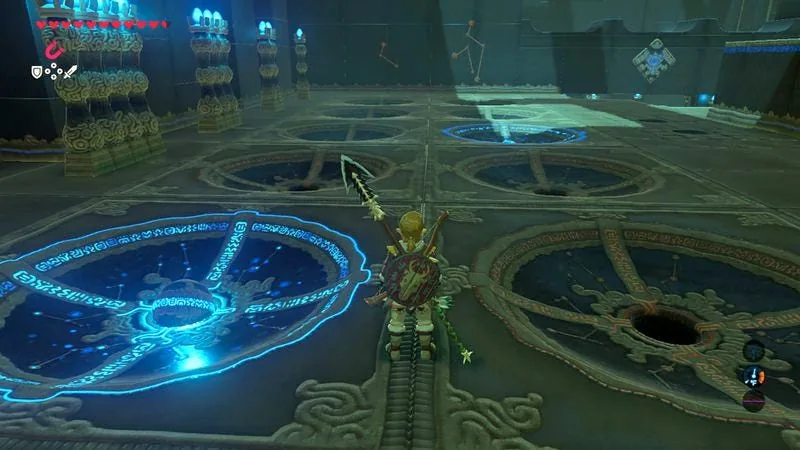
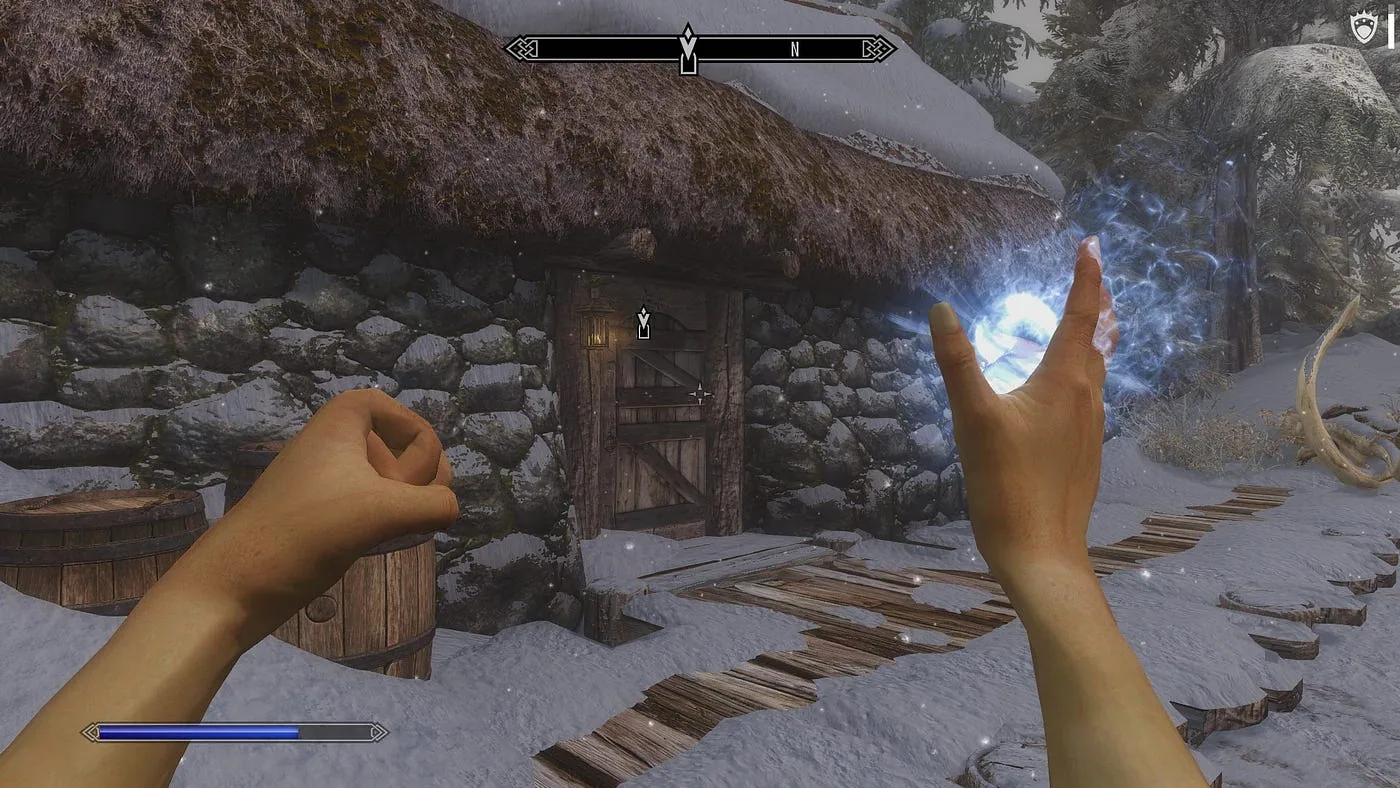
Skyrim's Dark Brotherhood missions are a shining example of presenting clear objectives while supporting player agency. The mission "Breaching Security" exemplifies this equilibrium. Players must assassinate Gaius Maro, an official in the Emperor's security force, as he travels through Skyrim. The goal is clear: eliminate Gaius Maro. The beauty lies in how players are encouraged to tackle this objective.
Players are given the freedom to choose how to execute the assassination. They can ambush Maro in one of the cities he visits, leveraging the urban environment to their advantage. Alternatively, they may opt for a stealthy approach, tailing Maro until an opportune, secluded moment presents itself away from prying eyes. The game even rewards players for planting incriminating evidence on Maro's body, adding another layer of strategy and choice.
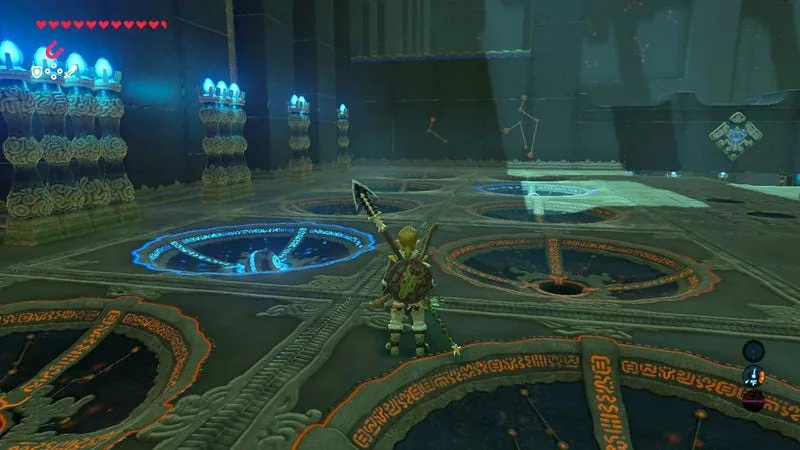
The Dark Brotherhood mission combines clear objectives with open-ended gameplay. Players choose their own approach to achieve the goal, resulting in numerous strategies that cater to various playstyles. This design respects the player's intelligence and creativity, making for a satisfying experience.
Continuous Learning: The Curve of Mastery
For a game level to remain engaging, it must facilitate continuous learning. Each level should introduce something new or subvert existing mechanics in a way that keeps the player's experience fresh and challenging. The Zelda series exemplifies this principle, masterfully weaving new abilities, puzzles, and enemy types into the progression of the game, ensuring that players are always encountering new challenges that test their skills and understanding of the game's mechanics.
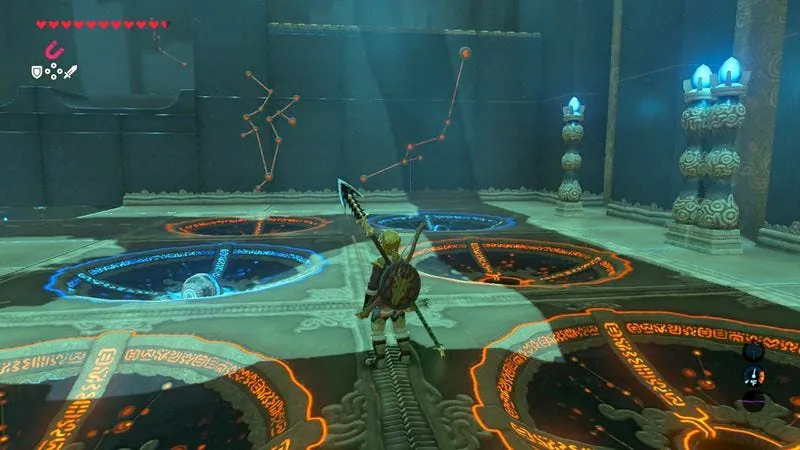
The Legend of Zelda: Breath of the Wild offers a masterclass in the principle of continuous learning within game design. This open-world adventure redefines exploration and progression in video games, by encouraging players to learn and adapt continuously through its ingeniously designed levels and challenges.
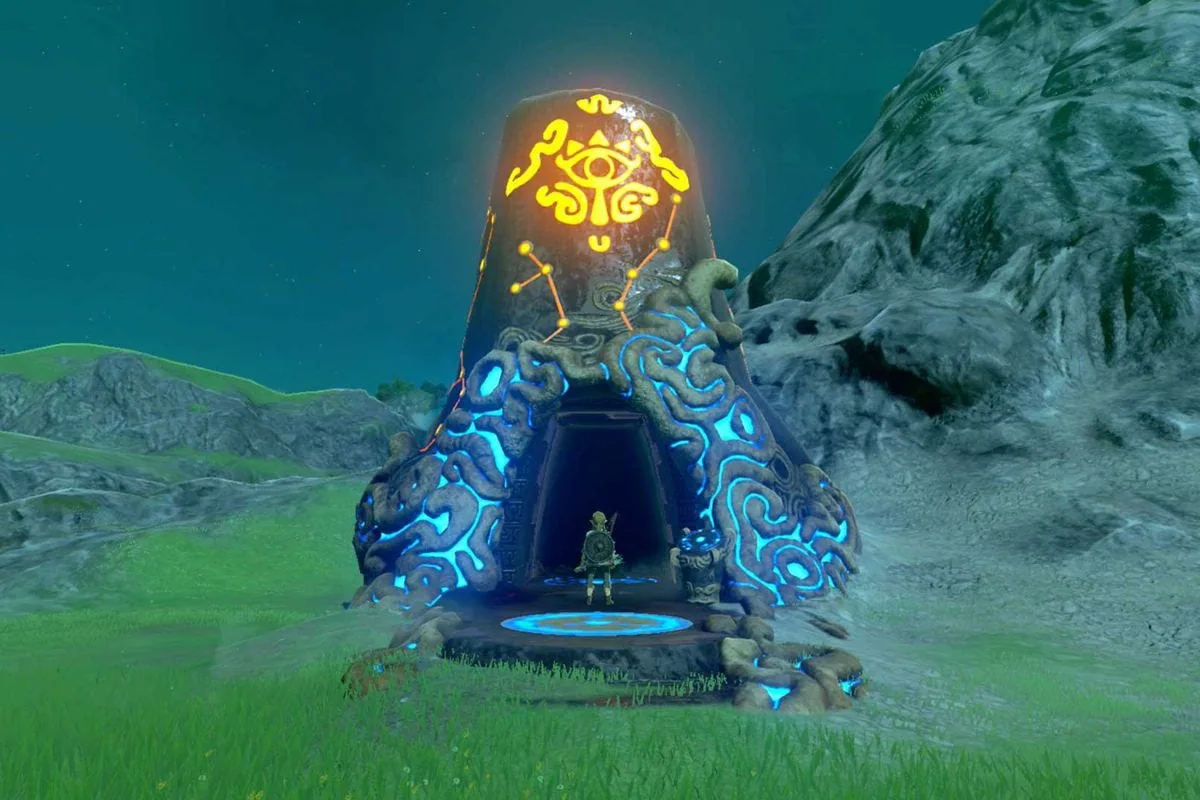
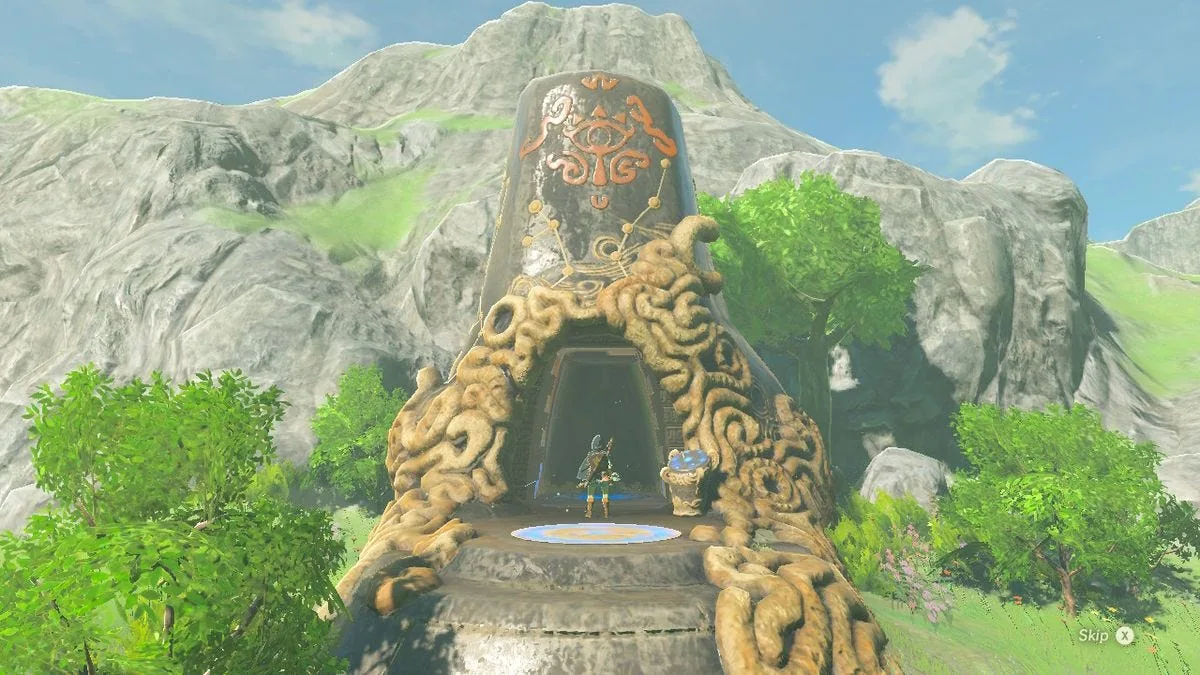
One standout example is the game's approach to introducing new mechanics and puzzles through its shrines. These mini-dungeons are scattered throughout the game's vast world, each designed to teach the player a specific mechanic or concept that builds upon their existing knowledge. Early in the game, players encounter Shrines that serve as tutorials for the fundamental Runes — Magnesis, Stasis, Cryonis, and Bombs. Each shrine is dedicated not just to teaching how these abilities work, but to challenging the player to think of creative ways to use them to solve puzzles.
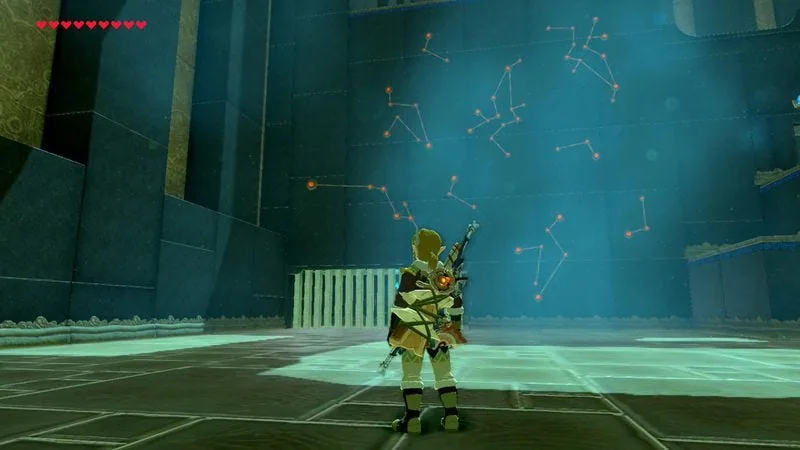
As players progress, the puzzles within the Shrines become more complex, requiring them to combine multiple Runes and their understanding of the game's physics and environment to succeed. This gradual increase in complexity ensures players are continuously learning and applying their knowledge in new and increasingly challenging scenarios.
To solve the puzzles in Keo Ruug shrine, you need to count the number of constellations present on the wall. After that, you must place a ball that represents the counted number in the rows and columns located on both sides of the central platform. Just one example of the puzzles found in the game.
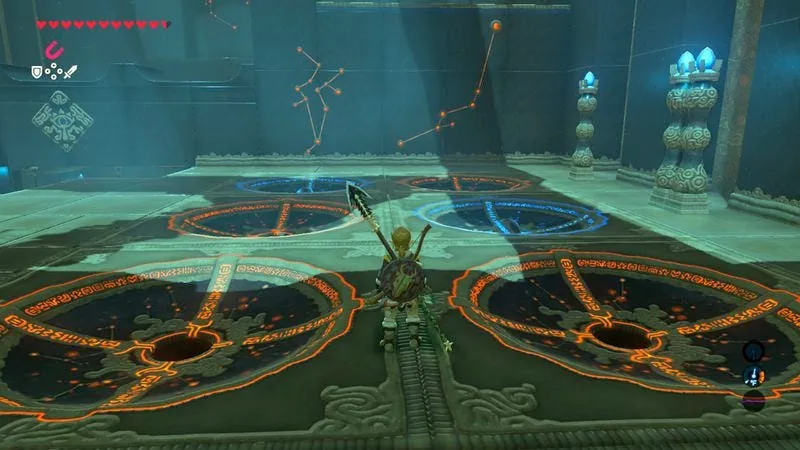
A significant aspect of Breath of the Wild's design philosophy is its hands-off approach to guidance. Rather than directing players through a linear progression of challenges, the game encourages exploration and experimentation. This open-ended design allows players to encounter Shrines in almost any order, adapting their learning curve to the unique path they carve through the world.
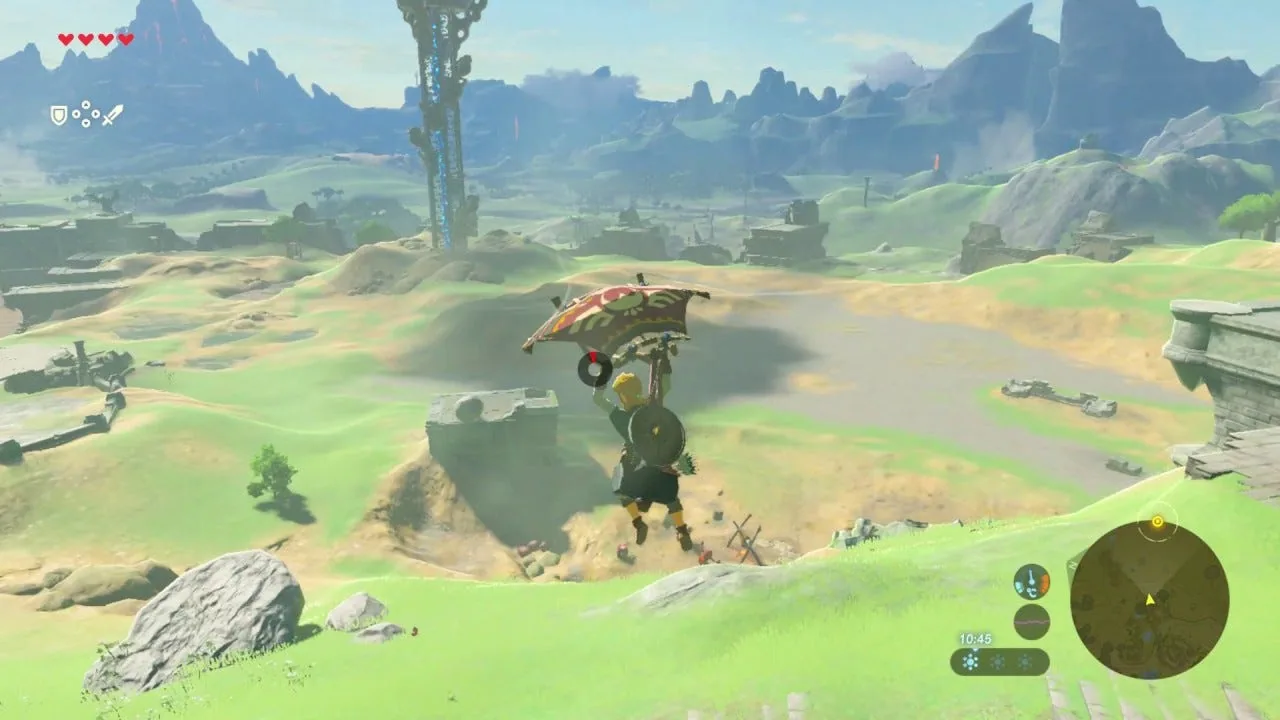
Moreover, the game's environment itself acts as a vast, interactive classroom. The dynamic weather system, varied terrains, and physics-based gameplay mechanics offer endless opportunities to learn and experiment. From understanding how metal objects attract lightning during storms to utilizing the wind for paragliding, Breath of the Wild constantly engages players in learning through interaction.
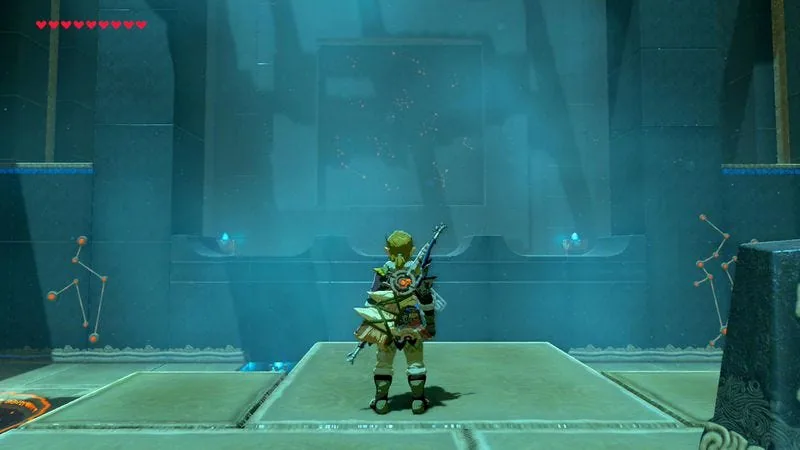
The Legend of Zelda: Breath of the Wild stands out as an outstanding example of game-level design, with its continuous cycle of learning, experimentation, and mastery. The game teaches players through its gameplay, challenges them in fair and engaging ways, and provides a deep sense of satisfaction upon accomplishment.
Surprise: The Element of Unpredictability
Integrating surprising elements into level design can help keep gameplay fresh and engaging. However, the aim should be to subvert players' expectations in meaningful ways rather than just startling them. This can be achieved through unexpected narrative twists, innovative game mechanics, or unconventional level layouts. The key is to seamlessly integrate these surprises into the gameplay to ensure they enhance, rather than disrupt, the player's experience.
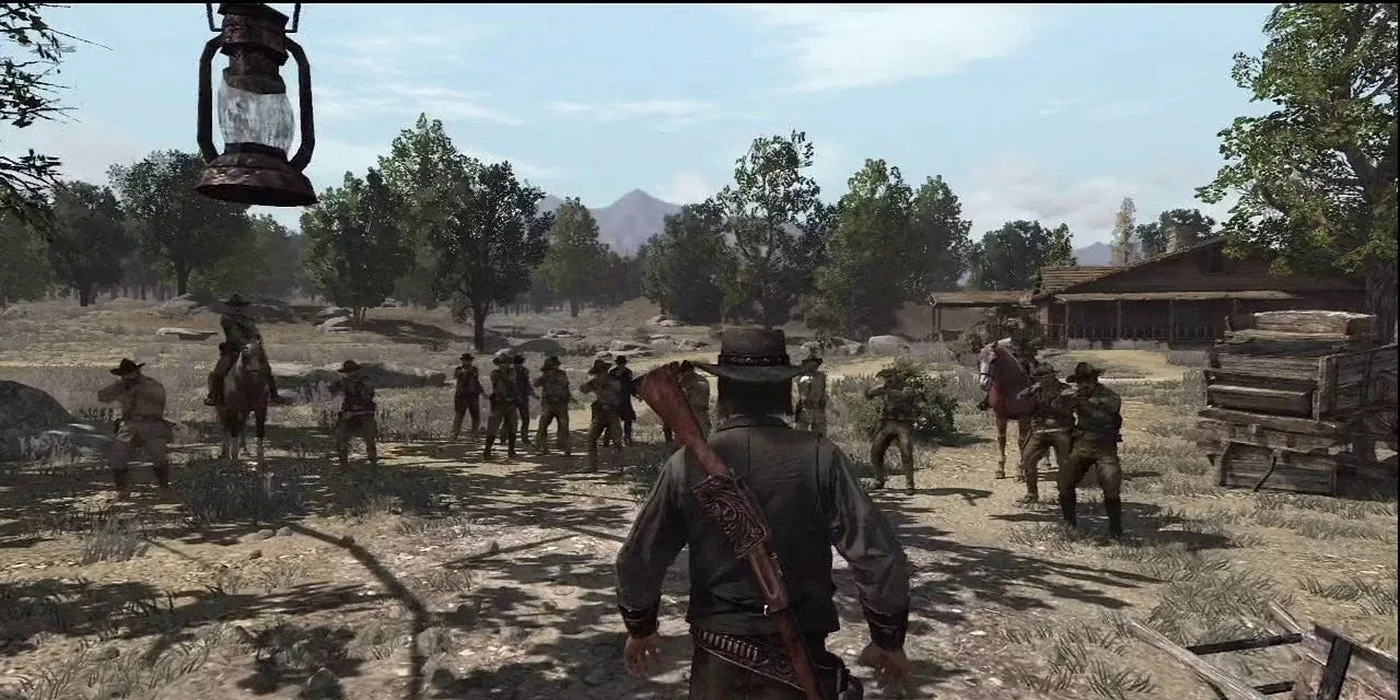
- John Marston's Last Stand.
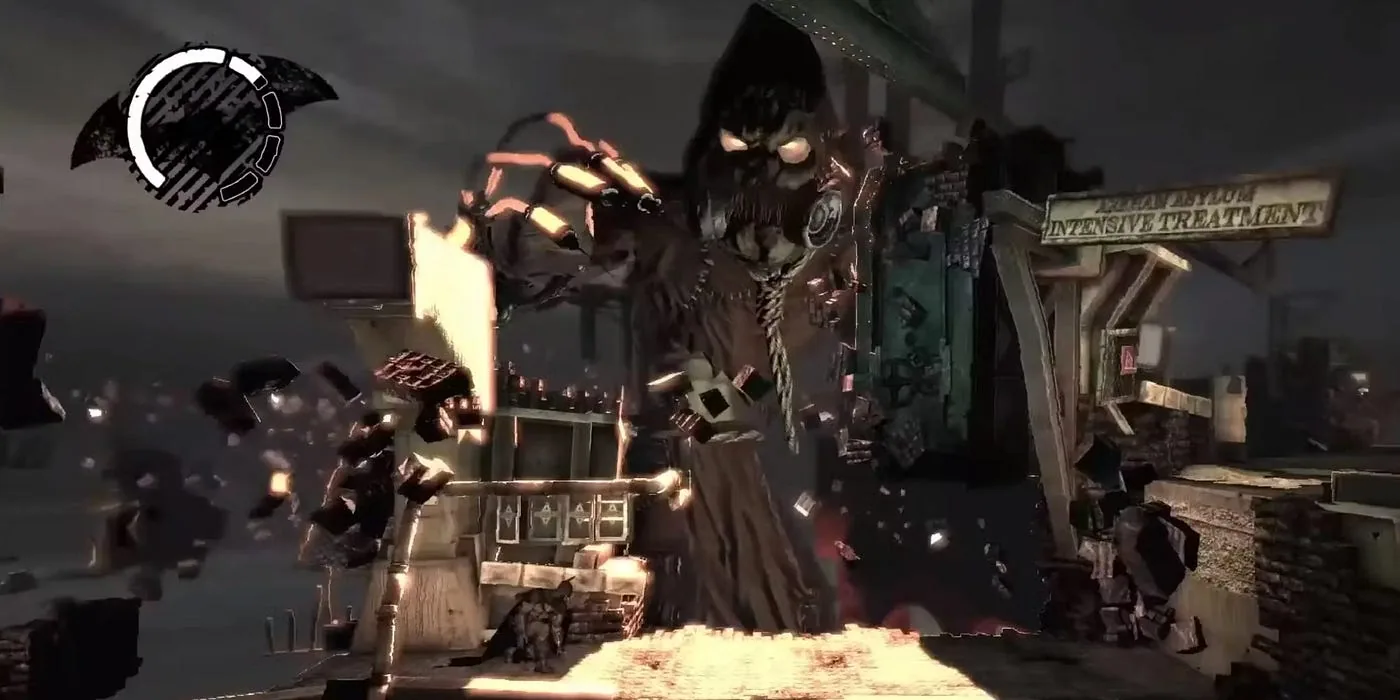
- Scarecrow's Mind Games.
- Wheatley's Betrayal.
Player Empowerment: Cultivating a Sense of Agency
A well-designed game level empowers players, making them feel powerful and capable of influencing the game world. This sense of agency is crucial for player engagement and satisfaction. Red Faction: Guerrilla and inFAMOUS are notable examples, where environmental destructibility and moral choices, respectively, allow players to see the tangible effects of their actions. Empowerment comes from providing players with tools and opportunities to interact with the game environment in meaningful ways, enabling them to solve problems and overcome challenges in a manner that feels rewarding and impactful.
In inFAMOUS, players take on the role of Cole MacGrath, a bike messenger who gains electric superpowers after being caught in the center of an explosion that devastates the fictional Empire City. The game is notable for its open-world design, allowing players to explore the city and undertake missions in a non-linear fashion.
One of the game's standout features is the moral choice system. Throughout the game, Cole is faced with decisions that will either align him with good or evil. These choices affect the development of his powers, the reactions of the city's inhabitants, and even the appearance of the environment. Choosing the right path will see Cole using his powers to protect civilians and police forces — which makes navigating the city easier as civilians help Cole by fighting against enemies. On the evil path, Cole can use his powers indiscriminately against enemies and innocent bystanders alike, which can make certain aspects of navigation and combat more straightforward, but at the cost of turning the city against him.

This moral choice system empowers players by giving them significant control over Cole's development and the game's narrative. It also introduces a strategic element to the game's level design, as players must consider the consequences of their actions not just on the immediate challenge, but on the overall game world.
Additionally, inFAMOUS's use of Cole's electric powers for both combat and navigation serves as another layer of empowerment. Players can experiment with a variety of powers to overcome obstacles and enemies — from using electric shocks to disable foes, to grinding on power lines and railway tracks to swiftly move across the city.
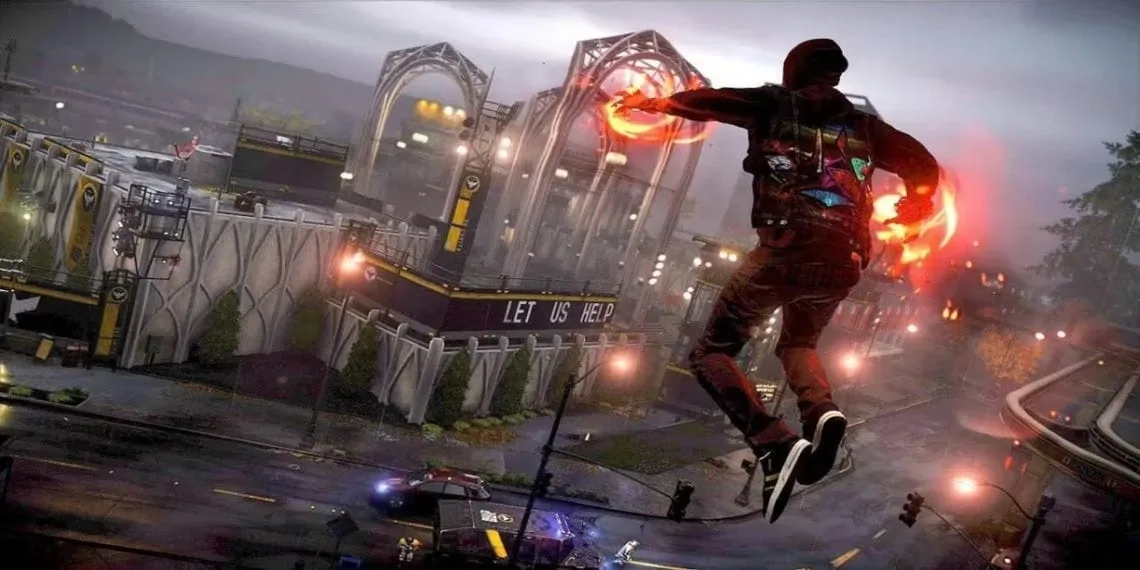
Through its open-world design, moral choice system, and versatile power mechanics, inFAMOUS exemplifies how levels can be designed to empower players, allowing them to impact the game world significantly while providing a balanced challenge that adapts to their choices and playstyle.
Accessibility and Challenge: Harmonizing for All Players
Achieving a balance between accessibility and challenge is essential for accommodating a wide range of player skill levels. This involves designing levels with multiple pathways or solutions, each offering a different level of difficulty. A dynamic approach to difficulty, such as the risk/reward systems seen in Burnout, can adjust the game's challenge based on player choices and performance.
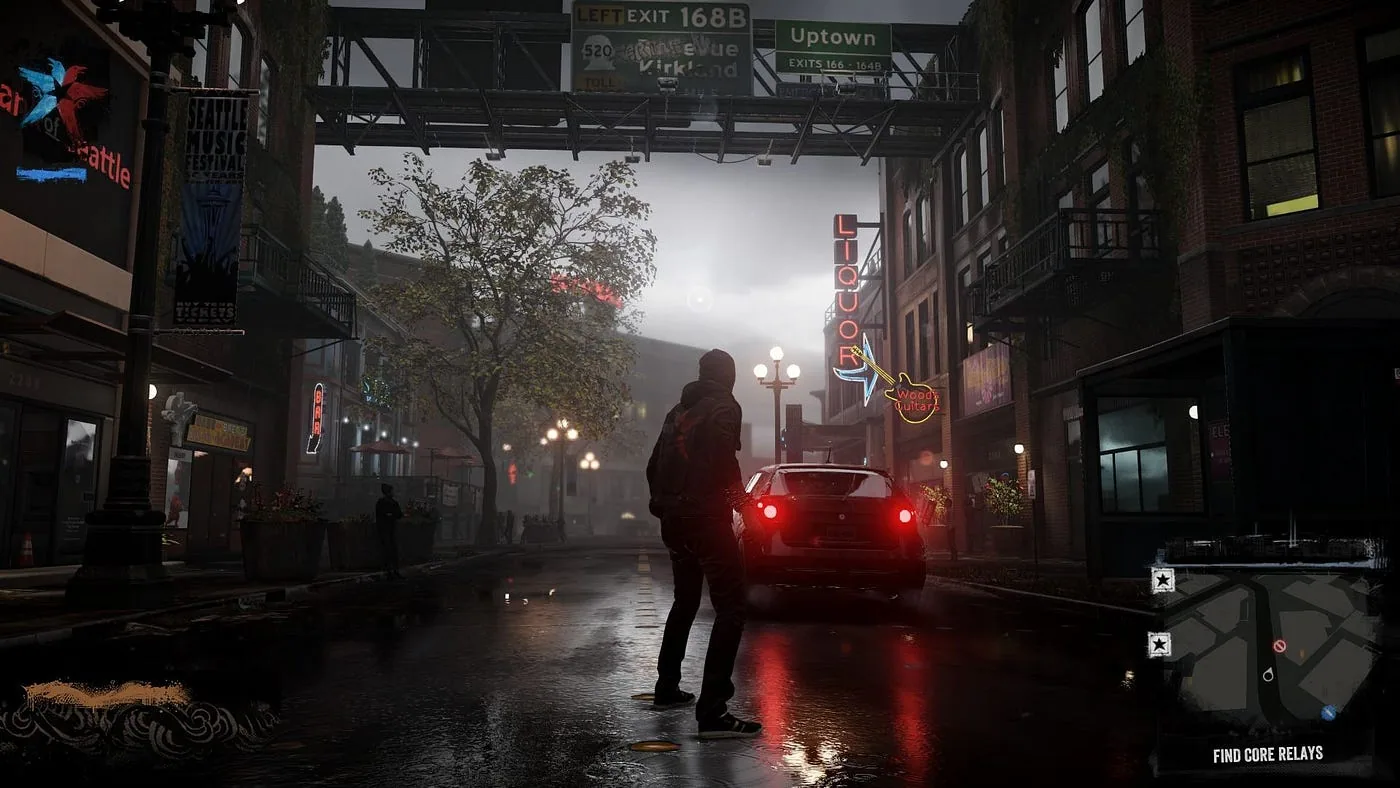
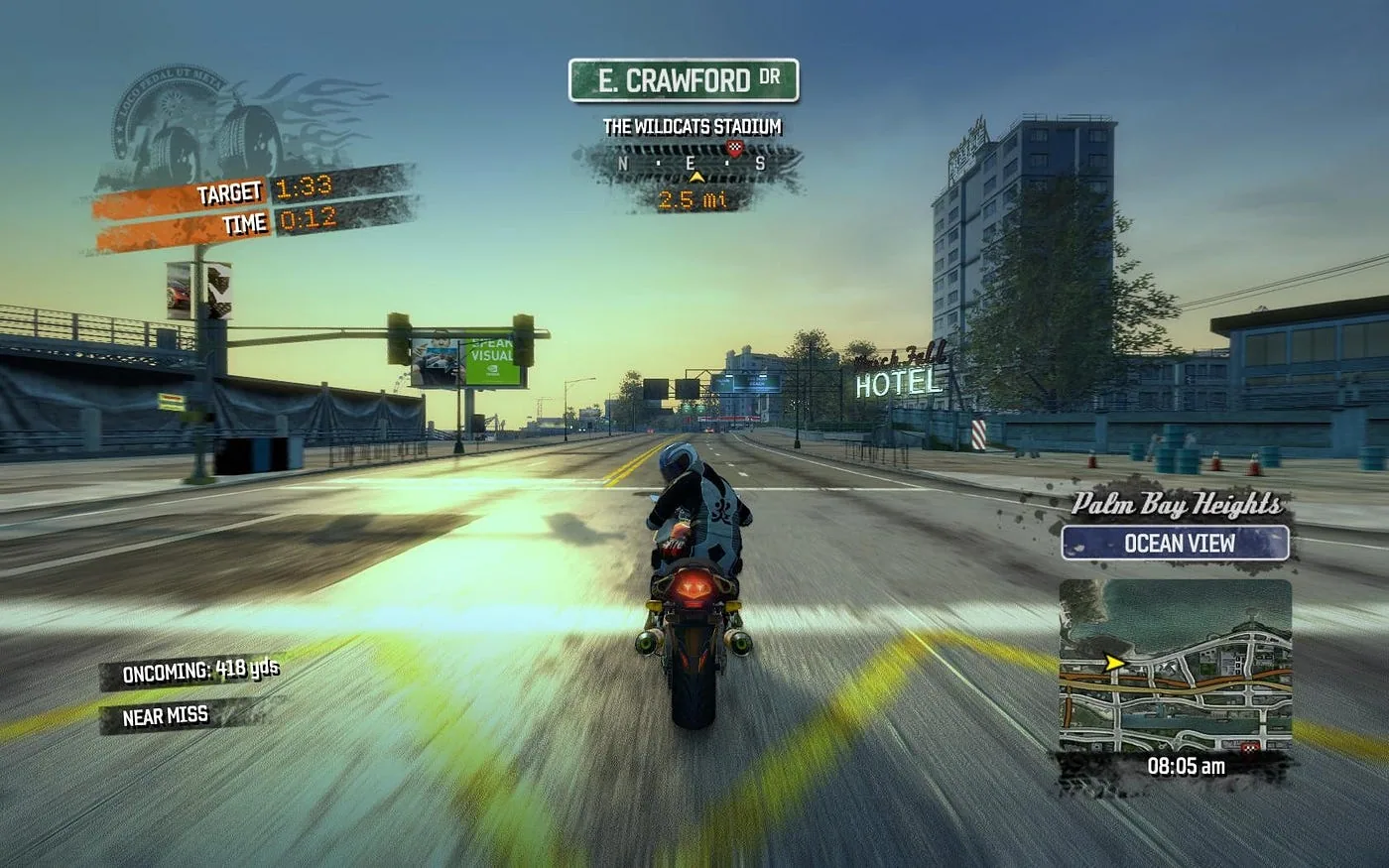
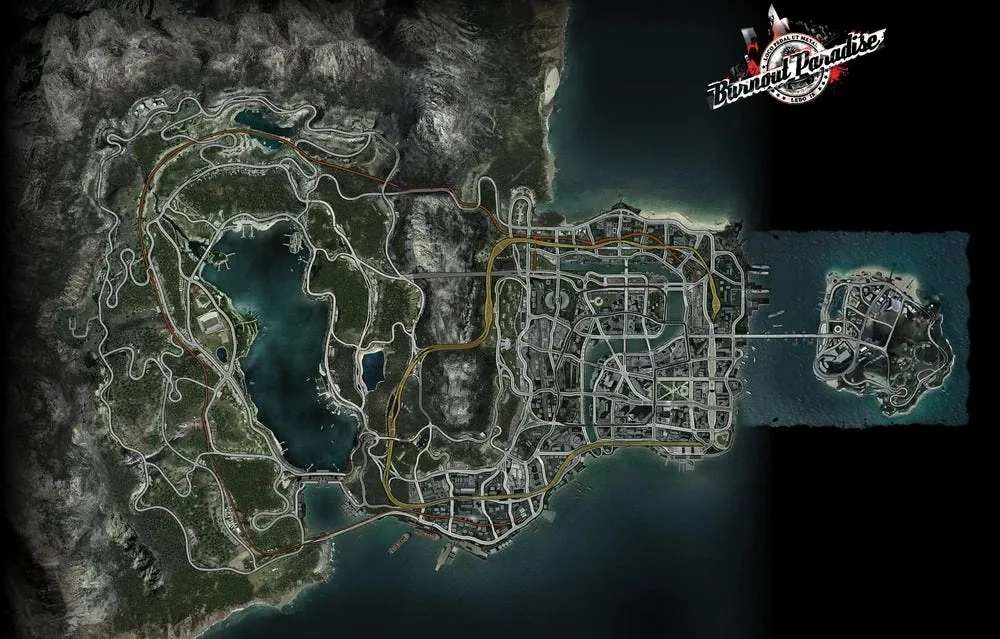
A unique feature of Burnout Paradise is its open-world arcade racing style, which lets players explore Paradise City at their own leisure and find races, obstacles, and stunts as they go. This game is excellent in terms of risk/reward structures and dynamic difficulty because of the way it approaches player interaction and challenge.
Dynamic challenge. The game does not force a linear progression system on the player. Instead, challenges are scattered throughout the open world, allowing players to choose not only which challenges to tackle but also when to attempt them. This non-linear approach means players of all skill levels can find and engage with challenges that suit their current abilities, gradually building up their skills at their own pace.

Risk/reward mechanisms. Burnout Paradise has a stunt system that motivates players to perform risky stunts for high rewards. However, failing a stunt can result in crashing and losing time. Skilled players attempt more risks for greater rewards, while less experienced players progress at a lower risk level.
Adjustable difficulty. The game's structure allows for an informal, player-controlled difficulty adjustment. Players can engage in more challenging races or take on easier ones if they're finding the game too difficult. This flexibility ensures the game remains accessible to newcomers while still offering a significant challenge to veterans.
Use of the open world for engagement. The open-world design itself is a testament to the game's commitment to accessibility and challenge. Players are free to explore and interact with the game world at their leisure, discovering shortcuts and hidden paths that can be used to gain an advantage in races.
Efficiency: Smart Resource Management in Design
Efficiency in level design is about making good use of resources, arguing for a modular approach that allows for the creative reuse of elements. This method not only saves development costs, but also maintains a consistent learning curve and visual consistency throughout levels. Modular design is designing interchangeable components or portions that may be reused in many combinations, which increases the game's visual and functional variety while reducing the need to create original assets from start. Efficient design approaches speed up the creation process and let designers focus on perfecting the gameplay and narrative components that make each level distinctive and interesting.

The Modular Approach of Breath of the Wild
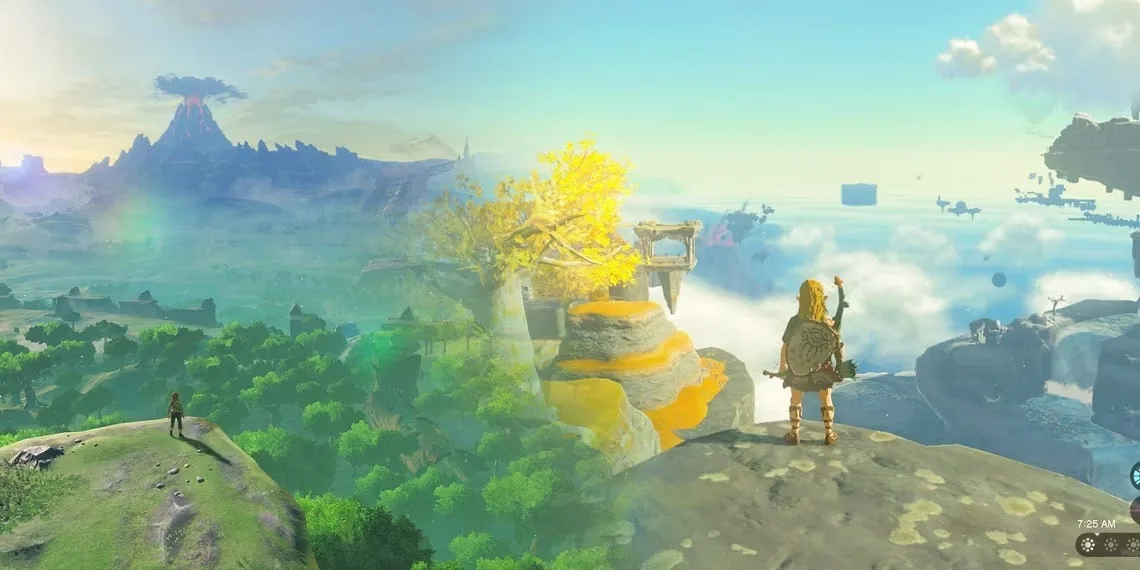
Nintendo created a big, open world in Breath of the Wild, complete with various landscapes, structures, and obstacles. One of the secrets to populating such a vast environment was the application of modular design ideas. The game's development team generated several environmental elements — trees, rocks, ruins — that could be reused and rearranged across the game area. This modular method enabled them to create a wide range of landscapes and scenarios, from deep woods to abandoned temples, using a very small number of construction parts.
Efficient Use of Assets
This approach's effectiveness is demonstrated by the game's ability to keep a uniform appearance and feel throughout its environment while yet providing an impressive degree of variation and detail. For example, the shrines dispersed across the game world serve several functions: quick travel stations, challenges that test the player's puzzle-solving abilities and awareness of the game's mechanics, and visual markers. Despite the large number of shrines (about 120), their interior designs skillfully reuse architectural features and puzzle mechanics in various combinations, conserving development resources while presenting a novel challenge with each shrine.
Consistent Learning Curve
Furthermore, Breath of the Wild uses its assets to facilitate a consistent learning curve. The game introduces players to core mechanics early on, using a limited set of environmental and enemy assets to teach these concepts. As players progress, these same assets are combined in increasingly complex and challenging ways, encouraging players to apply and expand upon their understanding of the game's mechanics. This not only exemplifies efficient asset reuse but also demonstrates how a modular design can contribute to educational pacing within a game.
In the constantly shifting field of game creation, the art of building hard and fair levels demonstrates creators' innovation and dedication. As demonstrated by Mirror's Edge, Bioshock, Skyrim, and The Legend of Zelda: Breath of the Wild, the principles of fun navigation, environmental storytelling, clear objectives, continuous learning, and smart resource management are not just guidelines, but essential components that bring the virtual worlds we enjoy exploring to life.
These principles serve as a bridge between the creator's vision and the player's experience, ensuring that each level not only tests skills and intellect but also tells a story, teaches, and — most importantly — entertains. The challenge for designers lies not only in crafting these experiences but in doing so in a way that feels both fresh and familiar, pushing the boundaries of creativity while still grounding their work in the fundamental aspects of fun, fairness, and engagement.
Looking ahead, the future of game-level design is bright with possibilities. Advances in technology and a deeper understanding of player psychology will lead to new and innovative approaches to level creation. However, the core principles discussed in this article will remain as relevant as ever, serving as the foundation upon which new ideas are built. As game worlds become more complex and player expectations evolve, the balance between challenge and fairness will continue to be the golden standard for engaging and rewarding gameplay.
Every great game is built around a well-crafted experience that challenges, instructs, and — most importantly — delights. As designers, our objective is to keep pushing the boundaries, combining past learning and current resources to build the gaming worlds of the future. Let us approach this task with originality, enthusiasm, and unwavering dedication to the art and science of game design.